Planning a Hajj savings account is not just about setting aside money; it is a comprehensive financial strategy that maximizes every rupiah. In this article you will discover how to structure a monthly budget, choose the right savings products, and leverage KontrolUang features to ensure your Hajj target is met on time.
1. Understanding Hajj Savings Needs
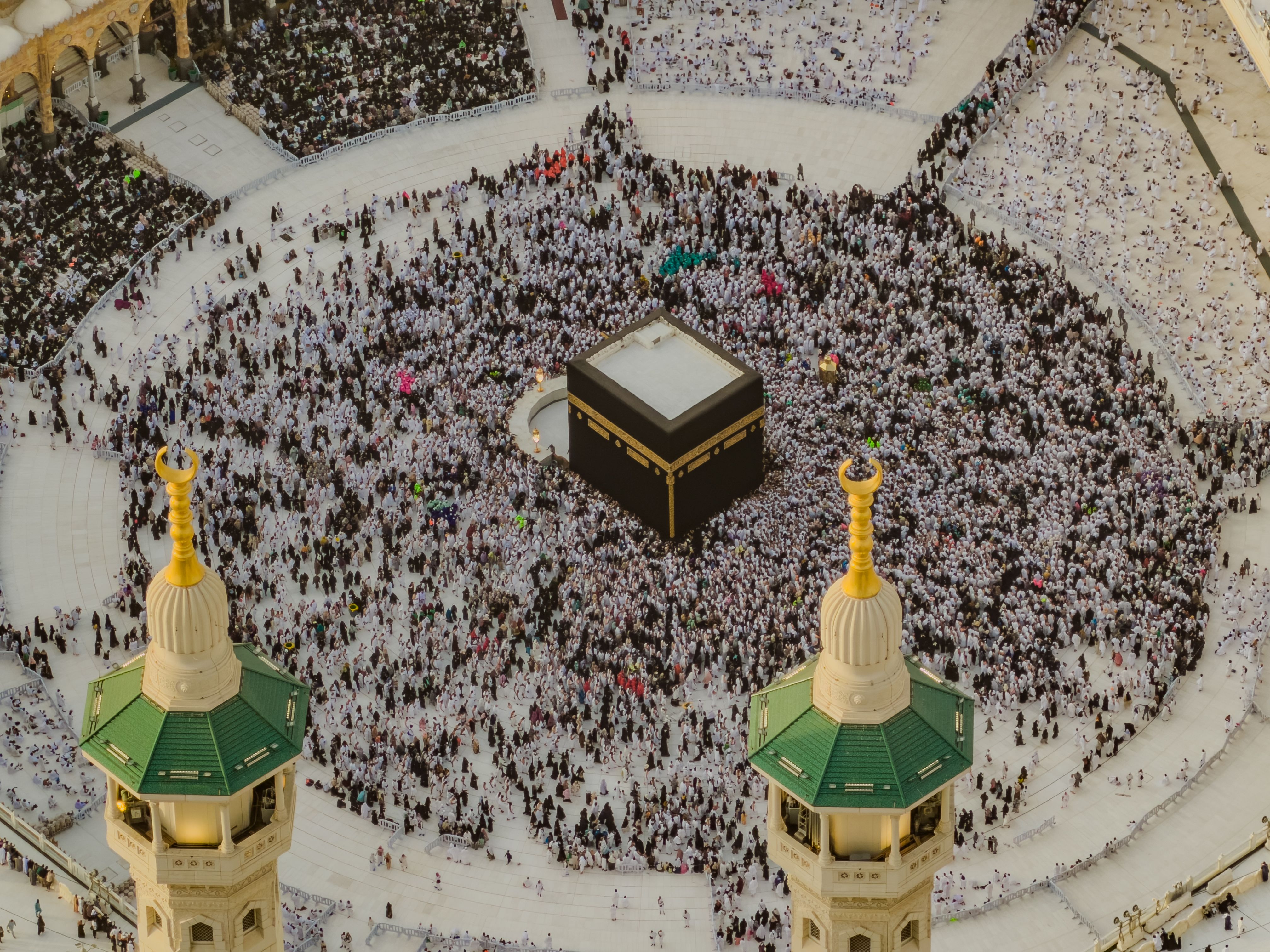
Every Hajj journey requires sufficient funds for transportation, accommodation, food, and religious expenses. The first step is to estimate the total cost of Hajj, including additional items such as zakat, ijarah fees, and an emergency fund. Once you have an estimate, split the costs into two categories: fixed costs (e.g., airfare) and variable costs (e.g., meals, local transport in the holy land). By separating these, you can adjust the monthly allocation accordingly.
2. Financial Impact and Its Influence
High inflation, market uncertainty, and currency fluctuations can erode the value of your savings. A flexible monthly budget helps you adjust spending when prices rise. Avoiding pay‑later debt and high‑interest bank loans keeps cash flow healthy. Managing Pay‑Later Debt & Monthly Cash Flow offers practical guidance to reduce debt burdens, which is essential for Hajj aspirants.
3. Effective Monthly Budget Strategy
3.1. Set a Monthly Target
Use the 50/30/20 rule: 50% of income for needs, 30% for wants, and 20% for savings. For those targeting Hajj, allocate 30% to the Hajj savings and 10% to an emergency fund.
3.2. Use KontrolUang Budget Features
In the Monthly Budget section, create a new category called “Hajj Savings” and set a monthly goal. Every time you deposit, the system marks progress, motivating you to stay consistent.
3.3. Diversify Savings
Select savings products with competitive interest rates that comply with Sharia principles. For example, a Sharia savings account at a bank offering a competitive return. Additionally, consider low‑risk Sharia mutual funds to add investment value.
3.4. Automate Transfers
Set up an automatic monthly transfer to your Hajj savings account. This reduces human error and ensures funds accumulate on schedule.
4. Common Mistakes and Risks to Avoid
- Delaying Deposits: Postponing savings adds interest on loans.
- Impulse Spending: Unplanned purchases disrupt the savings allocation.
- Lack of Emergency Fund: No cushion forces you to take credit.
- Over‑Investing in High‑Risk Products: Potential losses can derail the Hajj goal.
5. Practical Checklist and Sample Calculation
Below is a simple calculation to save Rp 120 million in 24 months:
- Target total: Rp 120,000,000
- Number of months: 24
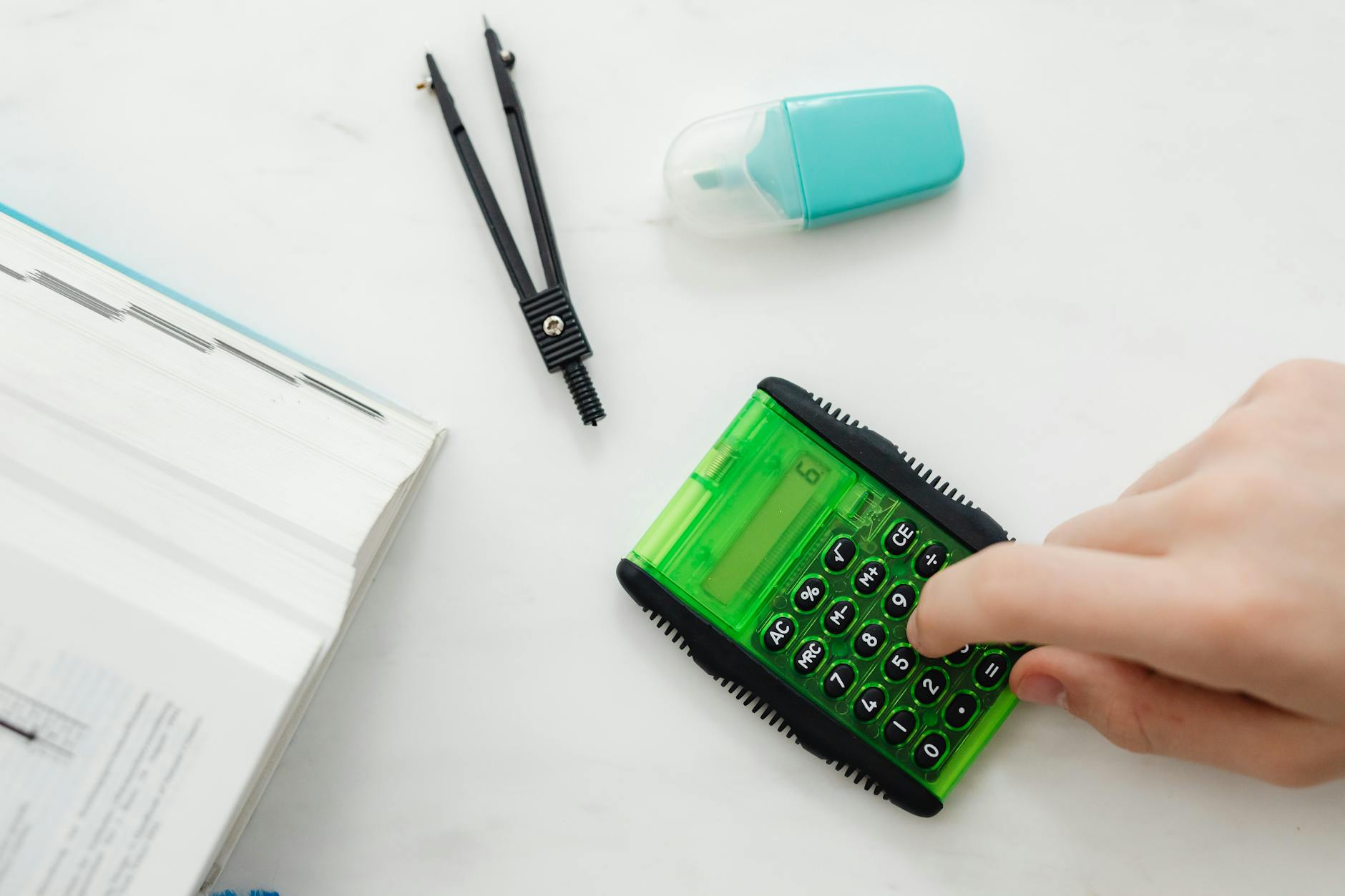
- Monthly savings = Rp 120,000,000 ÷ 24 = Rp 5,000,000
- Each month, allocate Rp 5,000,000 to the Hajj savings account.
- If there is leftover income, set aside at least 10% for an emergency fund.
Use the KontrolUang Dashboard to monitor progress. Add real‑time transaction notes so nothing is missed.
6. FAQ About Hajj Savings
6.1. How long should I save for Hajj?
The duration depends on your total cost target and income. Calculate a monthly target and adjust as cash flow changes.
6.2. Do I need to pay zakat on my Hajj savings?
If the balance exceeds the nisab, a 2.5% zakat may be due. Use the Zakat Profesi Calculator to compute the amount.
6.3. Can I invest my Hajj funds?
Sharia mutual funds or Sharia deposits are safe options. Ensure the product aligns with halal principles and your risk tolerance.
7. Conclusion
A structured Hajj savings plan requires careful calculation, disciplined saving, and the use of digital financial tools. By setting monthly targets, avoiding debt, and tracking progress through the KontrolUang Dashboard, you can prepare your Hajj funds on schedule without financial strain. Start today and experience the peace of mind that comes with a well‑planned Hajj journey.
Monthly Checklist for Hajj Savings
Every month, perform a quick review with the following Hajj Savings Checklist to keep your goal on track:
- Check Balance – Open Transaction Log and confirm the Hajj savings match the monthly target.
- Compare with Budget – View Monthly Budget to ensure Hajj funds aren’t tangled with other expenses.
- Review Unexpected Spending – Log any unplanned expenditures and find ways to cut them next month.
- Update Target – If income changes, adjust the Hajj savings goal in Financial Goals.
- Prioritize Hajj – Make sure Hajj remains the top priority before allocating money to investments or entertainment.
Using KontrolUang to Manage Hajj Savings
KontrolUang offers features that simplify structured Hajj savings management. Here’s a practical step‑by‑step guide:
- Create a Dedicated Category – Add an “Hajj” category in Transaction Log so all Hajj payments are separate.
- Employ Auto‑Transfer – Set up Auto‑Transfer each time your salary arrives, moving funds directly into the Hajj account.
- Monitor via Dashboard – View the Hajj savings progress graph in the KontrolUang Dashboard for motivation.
- Analyze Finance – Use Financial Analytics to spot spending patterns and adjust allocations.
- Enable Alerts – Activate notifications when the Hajj balance dips, prompting you to add more savings.
Strategy to Handle Unexpected Expenses
Unexpected costs can derail your savings plan. Apply these tactics to stay on course:
- Build an Emergency Fund – Reserve 3–6 months of routine expenses in a separate account to cover emergencies without touching Hajj savings.
- Prioritize Debt Repayment – Use the Debt Management tool to schedule payments and avoid additional interest.
- Reassess the Monthly Budget – When an unplanned expense arises, cut non‑essential items (e.g., streaming subscriptions) temporarily.
- Leverage Quick Payment Features – Avoid high‑interest pay‑later services by using the Managing Pay‑Later Debt guide.
- Track Every Expense – Log all transactions in the Transaction Log to stay aware of spendable amounts.
Creating Hajj Financial Goals with the KontrolUang Dashboard
The KontrolUang Dashboard lets you visualize your Hajj savings in real time. Here’s how to maximize its features:
- Set the Final Target – Enter the desired amount (e.g., Rp 150,000,000) in Financial Goals.
- Choose a Time Frame – Select 3, 6, or 12 months to see remaining time and required monthly contributions.
- Compare Realization vs. Target – The dashboard displays a graph of actual savings against the goal, helping you adjust if you’re falling behind.
- Integrate with Budget – Link the Hajj goal to Monthly Budget so allocations are automatically distributed.
- Export Reports – Download PDF summaries to share with family or financial advisors.
Structuring a Family Budget Aligned with Hajj Savings
A well‑structured family budget keeps the focus on Hajj savings. Follow this practical example:
- Identify Core Needs – List essential items (food, education, health) and assign fixed budgets.
- Allocate Hajj Funds – Reserve at least 20% of net income for Hajj savings; set this limit in the Monthly Budget.
- Plan for the Future – Use the Financial Goals feature to set long‑term targets.
- Review Monthly – Check the Transaction Log to ensure spending aligns with the budget.
- Adjust as Needed – If income rises, increase the Hajj allocation; if expenses spike, cut discretionary spending.
Optimizing Expenses with KontrolUang
KontrolUang’s Monthly Budget feature helps you visualize cash flow. For example:
- Enter all spending categories (food, transport, entertainment).
- Set maximum limits for each category.
- KontrolUang will alert you when you approach the limit.
- Use the KontrolUang Dashboard to view spending trends and adjust the Hajj savings target.
Practical Monthly Budget Example
Assume your family earns a net income of Rp 10,000,000 per month. A sample allocation might look like this:
- Hajj Savings: Rp 3,000,000 (30%)
- Routine Expenses: Rp 5,500,000 (55%)
- Emergency Fund: Rp 1,000,000 (10%)
- Small Investments (e.g., mutual funds): Rp 500,000 (5%)
With this allocation, you are simultaneously building Hajj funds and maintaining financial stability.
Benefits of Recording Transactions in KontrolUang
Every time you make a payment, logging the transaction in KontrolUang offers several advantages:
- Facilitates internal audits when reviewing whether spending aligns with the plan.
- Displays monthly spending graphs, helping you spot excessive patterns.
- Provides financial analytics to forecast future Hajj savings needs.
- Serves as written proof useful when applying for loans or investment opportunities.
By following these steps, your Hajj savings plan will become more structured, transparent, and easily monitored through KontrolUang’s digital platform.
Conclusion
The trend around hajj savings planning and monthly budget strategy is a useful reminder that financial decisions should be based on records, priorities, and cash-flow awareness. Readers do not need to react impulsively to every headline. What matters is checking whether the trend changes spending, debt, savings, tax preparation, or investment behavior, then making small adjustments before they become larger problems. With consistent tracking and realistic limits, a trend can become a practical signal for better financial habits.
Written by
Aaqil Umais ZabirFinancial education writer at Kontrol Uang
Aaqil Umais Zabir writes personal finance guides for Kontrol Uang, focusing on budgeting, transaction tracking, zakat, and practical everyday financial decisions for Indonesian readers.