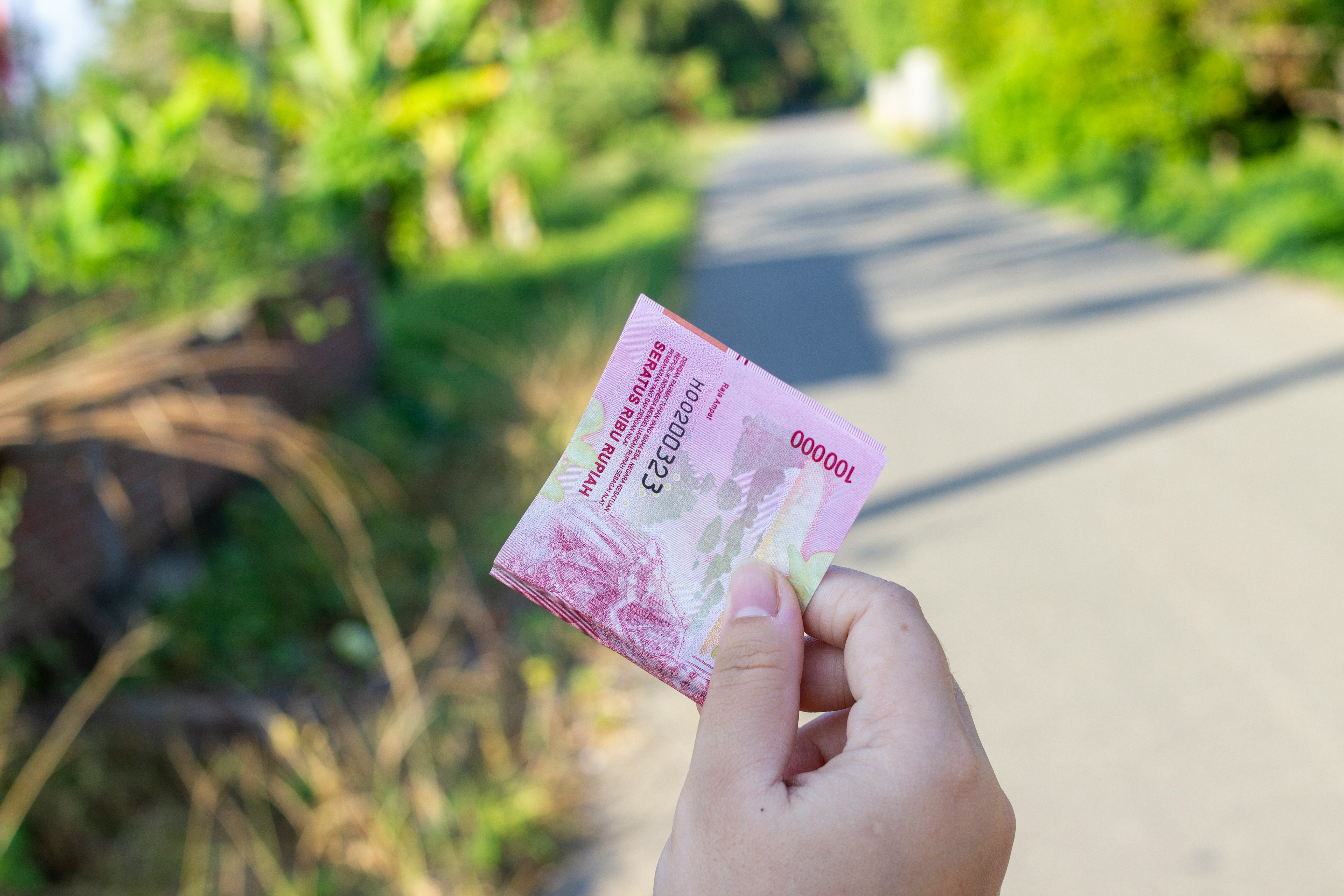
The rupiah opened weaker again this week, sliding to around Rp17,977–17,994 per US dollar, making it one of the softer-performing currencies in Asia on the day. The trigger wasn't domestic policy — it was the escalating conflict between the US and Iran, which pushed global oil prices higher and drove investors toward the dollar as a safe haven. Bank Indonesia is now widely expected to raise its benchmark rate again, potentially to 6%, when its board meets this Wednesday.
If you don't trade currencies for a living, headlines like this can feel irrelevant. They're not. A weaker rupiah quietly touches nearly every part of a household budget, often before people notice why prices are creeping up.
Why Does the Rupiah Keep Weakening?
Currency movements are rarely about one single cause. This week's slide is being driven by a mix of factors:
Geopolitical conflict pushing up oil prices, which increases global demand for the US dollar as a safe-haven currency.A stronger US Dollar Index (DXY), which mechanically weakens most emerging-market currencies, including the rupiah, regardless of what's happening in Indonesia specifically.Anticipation of further BI rate hikes, which can create short-term uncertainty in the market even before the decision is announced.
On the positive side, Bank Indonesia has noted that business activity actually improved in the second quarter, and foreign capital continues flowing into government securities — signs that the domestic economy isn't in crisis, even as the currency wobbles.
How a Weaker Rupiah Actually Hits Your Budget
Imported goods get pricier. Anything with an imported component — electronics, some food staples, cooking oil, pharmaceuticals — tends to cost more as importers pass along higher dollar-denominated costs.Overseas travel and tuition become more expensive. If you're paying for a trip abroad, an international school, or a US-dollar subscription, your rupiah cost rises directly with the exchange rate.Fuel and transport costs can climb. Since oil is priced in dollars globally, a weaker rupiah combined with rising oil prices is a double hit at the pump.Dollar-denominated debt gets heavier. If you or your business owe money in US dollars, your effective repayment burden in rupiah terms increases as the rupiah weakens.Imported inflation adds pressure everywhere else. Even goods without an obvious import label often rely on imported raw materials or packaging, so price increases can show up in unexpected places.
Who Actually Benefits From a Weaker Rupiah?
It's not all bad news. Exporters selling goods priced in dollars earn more rupiah per sale. Workers receiving remittances from abroad in foreign currency also see their rupiah value rise. If your income is dollar-linked in any way, currency weakness can work in your favor rather than against you.
Five Practical Steps to Protect Your Finances Right Now
Delay non-urgent dollar-denominated purchases. If you were planning an overseas trip or a big-ticket imported purchase, consider whether it can wait until the exchange rate stabilizes.Review any foreign-currency debt or subscriptions. Know exactly how much your monthly obligations increase for every 100-point move in the exchange rate, so you're not caught off guard.Avoid panic-converting savings into dollars. Currency markets swing in both directions; making a large one-time conversion based on today's headline is a form of market timing, which is difficult even for professionals.Build a buffer for imported staples. If cooking oil, wheat-based products, or medication you regularly need tend to track import costs, a small extra buffer in your pantry or budget can smooth out short-term price spikes.Watch the BI rate decision this week. A rate hike, if it comes, may eventually push up loan and credit card costs, so it's worth revisiting your own debt exposure alongside currency exposure.
Should You Be Worried?
Day-to-day currency moves of a few hundred points are normal market noise, not a crisis signal by themselves. What matters more is the trend over weeks and months, and whether Bank Indonesia's tools — rate hikes, market intervention, and instruments like SRBI — are effectively containing the pressure. The recent inflow of foreign capital into government securities and stable sovereign credit ratings are both reassuring signs that the broader financial system remains stable, even as the exchange rate fluctuates day to day.
Quick FAQ
Is Rp17,977/USD a record low for the rupiah? No — the rupiah has traded in similar and even weaker ranges before during past periods of global uncertainty. A single day's move is rarely a record-breaking event; what matters is the multi-month trend.
Will prices go up immediately because of this? Not immediately. Businesses that import goods typically absorb short-term currency swings for a while before adjusting shelf prices, especially if they hold existing inventory bought at older exchange rates. Sustained weakness over several weeks is more likely to show up in prices than a single day's dip.
Should I convert my rupiah savings to US dollars now? That decision depends on your personal goals and risk tolerance, not on a single day's exchange rate move. If you're considering holding foreign currency as part of a long-term diversification strategy, it's worth discussing with a licensed financial advisor rather than acting on short-term headlines.
Conclusion
A weaker rupiah driven by an overseas conflict is outside anyone's personal control, but how you respond to it isn't. Delay big dollar-linked purchases if you can, know your exposure to foreign-currency debt, resist the urge to make emotional currency conversions, and keep an eye on this week's BI rate decision, since it will shape borrowing costs going forward. Currencies move in cycles — the households that come out ahead are usually the ones who adjusted calmly rather than reacted to a single day's headline.
Written by
Aaqil Umais ZabirFinancial education writer at Kontrol Uang
Aaqil Umais Zabir writes personal finance guides for Kontrol Uang, focusing on budgeting, transaction tracking, zakat, and practical everyday financial decisions for Indonesian readers.