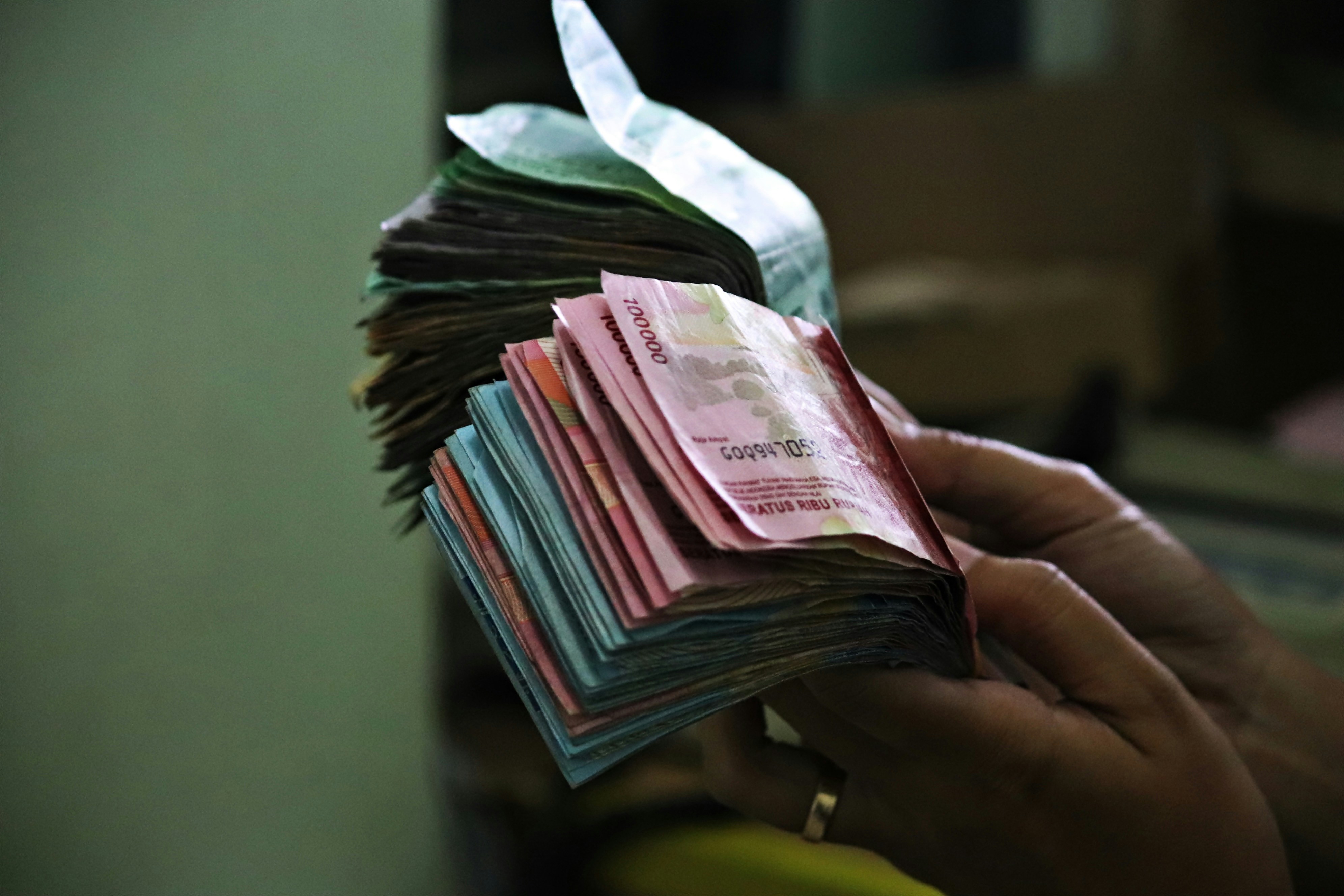
Since July 1, 2026, Indonesia's ride-hailing app commission has been capped at a maximum of 8% for two-wheeled (motorcycle) drivers, down from rates that previously ran as high as 20% at some platforms. The policy follows Presidential Regulation No. 27 of 2026 on the protection of online transportation workers, and applies nationally without a trial period. The Transportation Ministry has confirmed most major platform operators have agreed to comply, though implementation on the ground is still working through some rough edges.
For the millions of drivers affected, this policy change translates into real extra income per trip. The harder question isn't whether this helps — it clearly does — but what to actually do with that extra money so it becomes lasting financial progress rather than simply higher spending that fades.
What Actually Changed
Under the new rule, ride-hailing platforms can deduct a maximum of 8% commission from each fare for two-wheeled transport services, a significant reduction from the commission structures that applied before. Four-wheeled ride-hailing and courier services aren't currently covered by this specific cap, since regulatory authority over those categories differs. The government has also confirmed fares themselves won't be raised to offset the lower commission, reasoning that higher fares would reduce order volume and ultimately hurt drivers more than the commission cut helps them.
Why This Extra Income Is Easy to Lose Track Of
For gig workers with variable daily earnings, a percentage-based improvement like this one is genuinely hard to feel in real time — it shows up as a slightly higher number on each individual trip rather than a clear, single lump sum you can point to. That makes it easy for the extra income to simply blend into regular spending without ever being consciously allocated anywhere. The most effective way to actually benefit from this change long-term is to treat it as a distinct, trackable amount from day one, rather than letting it disappear into undifferentiated daily cash flow.
How to Actually Capture the Benefit
Calculate your actual daily or weekly gain. Compare your net earnings under the new commission structure against what you would have earned under the old one, using your typical trip volume. Having a real number — even a rough one — turns an abstract policy change into something concrete you can plan around.Redirect the difference into a separate account immediately, rather than letting it mix with your general spending money. Even a simple second e-wallet or savings pocket works, as long as it's genuinely separate from your day-to-day balance.Prioritize where that extra income goes, using the same logic that applies to any windfall: an emergency fund first if you don't have one, then debt paydown if you're carrying high-interest balances, then longer-term savings or investment once the first two are covered.Track your income against a realistic monthly average, not your best days. Gig income naturally fluctuates with demand, weather, and platform incentives, so budgeting against your lowest realistic month protects you better than budgeting against an optimistic average.
Why an Emergency Fund Matters Even More for Gig Workers
Unlike salaried employees, gig workers don't have a fixed monthly paycheck to budget against, which makes an emergency fund proportionally more important, not less. A slow week, vehicle repair, or health issue can hit income and expenses simultaneously in a way that's harder to absorb without a buffer. If this commission change genuinely increases your take-home pay, even a modest portion — say, 10-20% of the extra amount — set aside consistently can build a meaningful buffer within a matter of months.
Watch for Implementation Gaps
Officials have acknowledged that real-world implementation of the new commission cap is still facing some friction, meaning the actual reduction some drivers experience may not perfectly match the policy on paper yet. It's worth periodically checking your own earnings statements against the 8% cap rather than assuming full compliance automatically, especially in the months immediately following the policy's rollout.
Quick FAQ
Does this commission cap apply to four-wheeled ride-hailing or delivery couriers too? Not yet — the current 8% cap specifically covers two-wheeled ride-hailing services, since oversight authority for four-wheeled and courier services falls under different regulatory arrangements.
Will my fares as a passenger go up because of this change? The government has stated fares won't be raised specifically to offset the lower commission, reasoning that higher fares could reduce order volume and ultimately hurt drivers more than the commission reduction helps them.
How do I know if a platform is actually applying the 8% cap correctly? Compare your commission deduction on recent trip statements against your historical rate under the old structure. If the reduction doesn't roughly match what an 8% cap should produce, it's worth raising directly with the platform or checking official Transportation Ministry guidance.
Conclusion
The reduction in ojol commission to a maximum of 8% is a genuine, measurable improvement in take-home pay for millions of two-wheeled ride-hailing drivers — but like any income increase, its real financial benefit depends entirely on what happens to the money afterward. Calculate your actual gain, separate it from your regular spending immediately, prioritize an emergency fund if you don't already have one, and keep an eye on whether your actual earnings statements reflect the new cap. Turning a policy win into lasting financial progress takes one deliberate step: treating the extra income as something to allocate, not just something to spend.
Written by
Aaqil Umais ZabirFinancial education writer at Kontrol Uang
Aaqil Umais Zabir writes personal finance guides for Kontrol Uang, focusing on budgeting, transaction tracking, zakat, and practical everyday financial decisions for Indonesian readers.