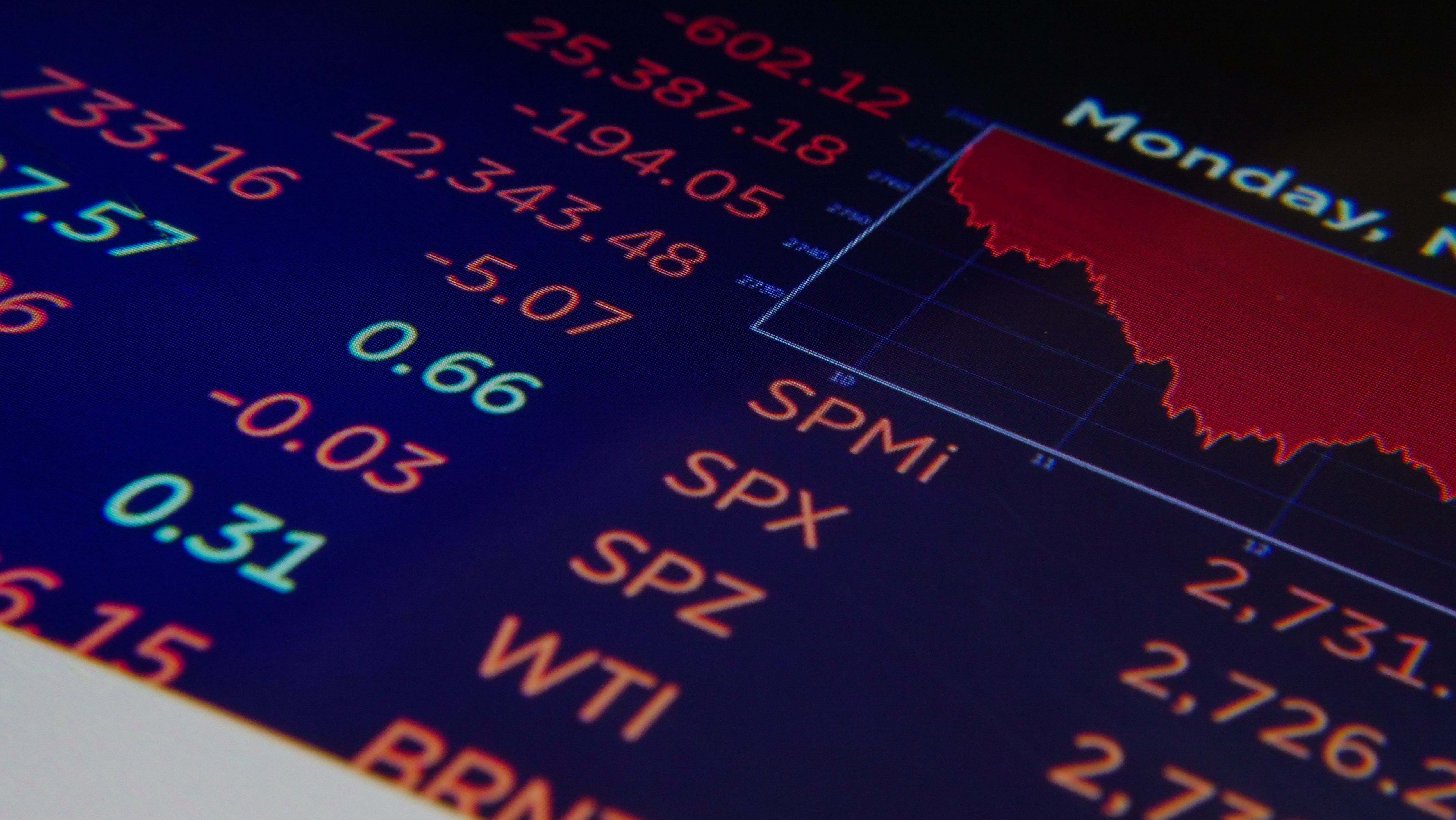
Stock market volatility in Indonesia is often a hot topic, especially when major indices such as the IDX Composite experience sharp spikes or steep declines. For long‑term investors, this phenomenon is not just a warning signal but an opportunity to reassess strategies and adjust portfolios. In short, volatility is not an enemy; it is a market signal that can be leveraged if you have a solid investment plan.
Basic Concepts of Indonesian Stock Market Volatility
Volatility refers to the degree of price fluctuation of stocks over a given period. In Indonesia, volatility is influenced by domestic factors—such as fiscal policy, interest rate hikes, or political events—and global factors—like Fed rate changes, Asian economic crises, or pandemics. While often perceived as scary, volatility signals buying and selling opportunities that disciplined investors can exploit.
Impact of Volatility on Long‑Term Investing
Here are several ways volatility affects long‑term investing:
- Strengthening Diversification: Price swings highlight the importance of spreading investments across sectors and instruments.
- Setting Target Prices: Volatility offers chances to adjust price targets and exit strategies.
- Portfolio Rebalancing: Price movements force investors to rebalance periodically to maintain asset allocation.
- Investor Sentiment: Volatility can trigger market sentiment shifts, leading to overreactions or underreactions.
Practical Strategies to Face Indonesian Stock Market Volatility
Below are concrete steps you can implement:
- Start with a Balanced Asset Allocation: Define the mix of equities, bonds, and mutual funds that matches your risk profile. Use the Monthly Budget feature to map out allocation.
- Employ Dollar‑Cost Averaging (DCA): Invest a fixed amount regularly (e.g., each month) so you buy more shares when prices are low and fewer when prices are high.
- Leverage Sector Diversification: Choose stocks from different sectors—consumer, finance, energy, technology. Check sector performance via the Daily Stock Market News to adjust exposure.
- Rebalance Periodically: Review the portfolio each quarter. If asset proportions deviate beyond tolerance (e.g., ±5%), make adjustments.
- Use Financial Analytics: The Financial Analytics feature helps monitor performance and volatility trends in real time.
- Study Historical Data: Examine volatility ranges over the past five years to understand seasonal patterns or market reactions to news.
- Maintain Emotional Balance: Avoid impulsive decisions when markets fall. Set realistic stop‑loss rules and stick to them.
Common Mistakes and Risks to Avoid
Here are frequent errors long‑term investors make amid volatility:
- Overtrading: Buying and selling too often out of fear of missing opportunities, which increases transaction costs.
- Overreacting: Selling during market downturns due to panic, which can amplify losses.
- Lack of Diversification: Concentrating on a single sector or stock, raising specific risk.
- No Exit Plan: Without a defined exit target, investors may stay in unprofitable positions.
- Hidden Transaction Costs: Ignoring spreads, broker fees, and transaction taxes can erode returns.
Practical Checklist for Long‑Term Investors
Use the following checklist to ensure your strategy is ready for volatility:
- Define investment goals (long‑term, medium‑term, short‑term).
- Set a risk profile (conservative, moderate, aggressive).
- Allocate assets based on the risk profile.
- Implement DCA with a fixed schedule.
- Quarterly rebalance.
- Monitor historical volatility and current trends.
- Review transaction costs for each trade.
- Use the KontrolUang Dashboard to track positions in real time.
- Plan an exit strategy before buying.
FAQ
How do I assess extreme volatility?
Use indicators such as Standard Deviation or Average True Range (ATR) on stock charts. This data is typically available on trading platforms or the Financial Analytics tool.
Is DCA suitable for all investors?
DCA works well for investors with regular cash flows who want to avoid market timing. If you have a large lump sum, a lump‑sum investment might be more efficient.
How often should I rebalance my portfolio?
Rebalance every 3–6 months or whenever asset proportions deviate more than 5% from targets. This keeps your risk profile consistent.
Does volatility affect bonds?
Bonds are also impacted, especially by interest rates. When rates rise, bond prices fall, so including bonds can reduce overall portfolio volatility.
How do I calculate tax impact on stock investments?
Capital gains tax in Indonesia is 0.1% per transaction. Use the Transaction Recording feature to compute tax automatically.
How stock market volatility and long-term investing in Indonesia Affects Personal Cash Flow
The topic of stock market volatility and long-term investing in Indonesia is most useful when it is viewed through cash flow. In personal finance, cash flow is the first place where a decision shows whether it is still healthy or starting to create pressure. Changes in prices, loan obligations, household needs, religious or social giving, and business income usually appear in the gap between monthly income and monthly spending.
A practical way to read the impact is to separate spending into essential needs, medium-term commitments, and flexible expenses. Essential needs include food, transport, housing, health, and education. Medium-term commitments include installments, savings goals, emergency funds, zakat, waqf, or routine investing. Flexible expenses include entertainment, extra shopping, and subscriptions that can be reduced temporarily.
Practical Steps for This Month
To make the topic useful, turn it into a small one-month plan. The plan does not have to be complicated, but it should be clear enough to review. The goal is to protect liquidity, avoid impulsive decisions, and keep important financial goals moving even when economic conditions change.
- List the three biggest expenses this month and classify each as an essential need, commitment, or flexible expense.
- Set a weekly spending limit so small purchases do not quietly damage the monthly budget.
- Review installments, paylater balances, credit cards, and personal loans before adding new obligations.
- Allocate emergency savings or social giving at the beginning of the month, instead of waiting for leftover money.
- Use transaction data as the basis for decisions. A tool such as Analitik keuangan can help readers review patterns instead of relying on memory.
Conclusion
Volatility in the Indonesian stock market presents challenges, but with a structured approach—balanced asset allocation, DCA, sector diversification, and periodic rebalancing—long‑term investors can turn price swings into growth opportunities. KontrolUang’s tools, such as the Dashboard, Financial Analytics, and Transaction Recording, make real‑time monitoring and portfolio management easier. With discipline, a clear plan, and the right tools, you can transform volatility from a risk into a strategic advantage.
Written by
Aaqil Umais ZabirFinancial education writer at Kontrol Uang
Aaqil Umais Zabir writes personal finance guides for Kontrol Uang, focusing on budgeting, transaction tracking, zakat, and practical everyday financial decisions for Indonesian readers.