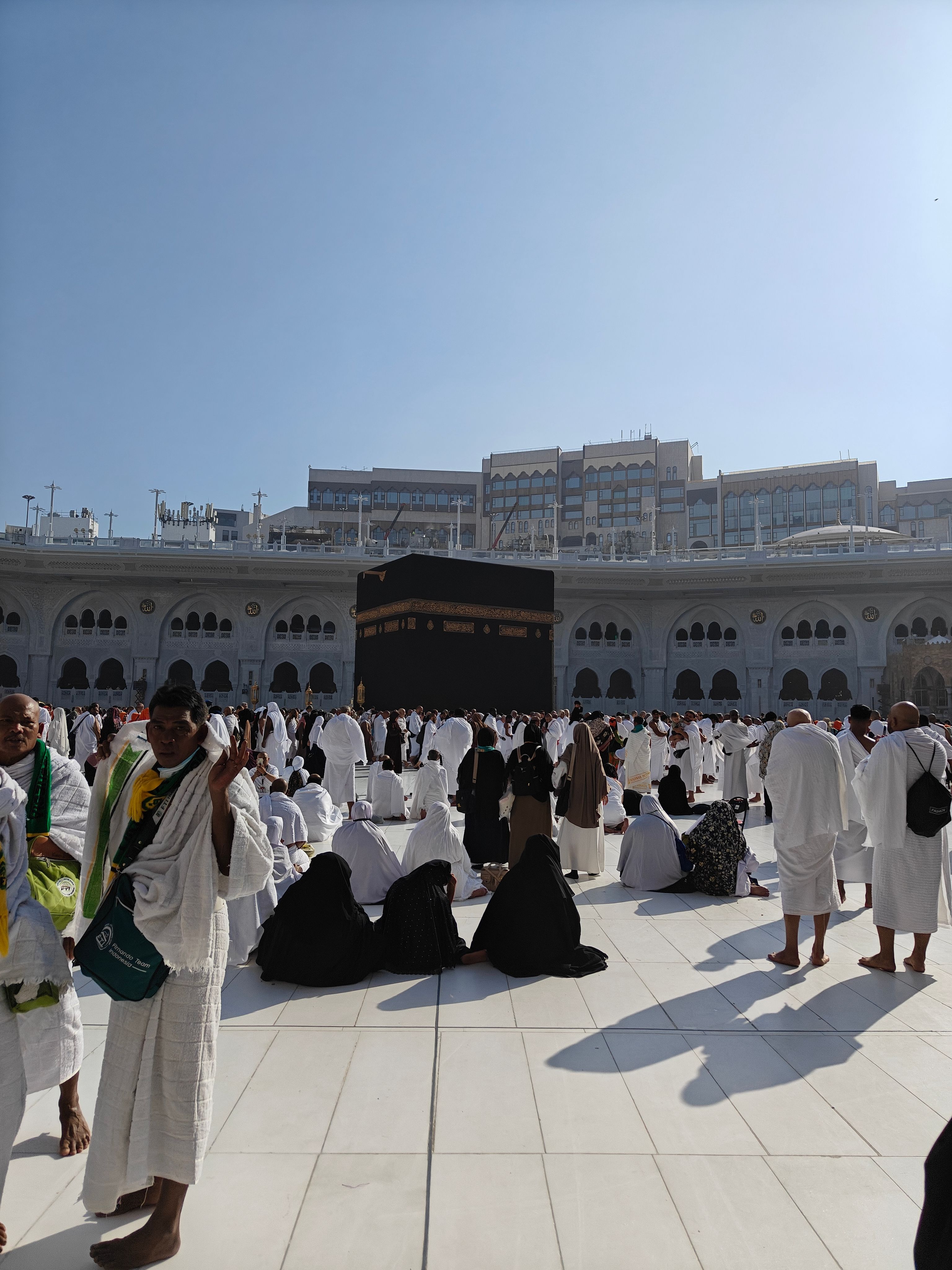
Planning Hajj savings is not just about setting aside money; it involves designing a structured monthly budget. With this strategy, you can save consistently, manage routine expenses, and avoid financial pressure while awaiting the Hajj season. This article discusses practical approaches, concrete examples, and KontrolUang features that help you reach your Hajj goal without compromising daily needs.
Context: Why Hajj Savings Planning Is Important
Hajj is a vital act of worship for Muslims, yet the travel, accommodation, and other costs can reach hundreds of millions of rupiah. Without a plan, many postpone Hajj or sacrifice essential needs. A well‑crafted plan breaks a large target into manageable monthly portions, making savings more regular and realistic.
Impact: Financial Impact on Daily Life
Poor planning can lead to:
- Impulsive spending that erodes savings.
- Reliance on credit or debt, triggering high interest.
- Financial stress that affects mental health.
Conversely, a monthly budgeting strategy reduces debt dependence, improves credit scores, and strengthens long‑term financial resilience.
Practical Strategy: Steps to Design a Monthly Budget
Follow these concrete steps:
- Calculate Your Hajj Savings Target: Determine the total cost (transport, lodging, food, zakat, etc.). For example, Rp 400 000 000.
- Estimate the Timeframe: If you aim to save in one year, the monthly target is 400 000 000 ÷ 12 = Rp 33 333 333.
- Analyze Current Income and Expenses: Use the Monthly Budget feature to record all income and outflows.
- Prioritize Essential Spending and Hajj: Allocate 50% of income to basic needs, 20% to Hajj, 10% to emergency savings, 10% to investment, and 10% to leisure.
- Automate Savings: Set up an automatic transfer to your Hajj savings account each time you receive your salary.
- Review and Adjust: Each month, evaluate if the target is met. If you have a surplus, consider investing in Sharia‑compliant funds or donating zakat.
Example: With a monthly salary of Rp 15 000 000, allocate Rp 3 000 000 for Hajj savings. If routine expenses total Rp 12 000 000, you still have Rp 2 000 000 that can be saved or invested.
Common Mistakes and Financial Risks to Avoid
- Delaying Savings – Postponing savings makes the goal harder to achieve.
- Using Credit Without a Plan – High‑interest debt harms financial health.
- Lack of Emergency Funds – Unexpected events force borrowing.
- Impulsive Spending – Non‑essential purchases drain savings.
To mitigate risk, utilize the Debt Management and Financial Analytics tools in KontrolUang.
Checklist Practical: 10 Steps for Hajj Savings Planning
- Define the total Hajj cost.
- Set the Hajj date.
- Calculate the monthly target.
- Create a monthly budget in KontrolUang.
- Open a dedicated Hajj savings account.
- Activate automatic transfers.
- Allocate at least three months of expenses for emergency funds.
- Invest surplus in Sharia‑compliant mutual funds.
- Update the budget monthly.
- Simulate emergency scenarios using the dashboard.
FAQ
- How long is the ideal savings period? 12–24 months, depending on total cost and income.
- Should I use a separate account? Yes, separating accounts simplifies monitoring.
- How to adjust the budget for unexpected expenses? Use the Financial Goals feature to tweak monthly targets.
- Can I save through investment? Yes, allocate surplus to Sharia‑compliant funds after emergency funds are filled.
- How to avoid pay‑later debt? Refer to Managing Pay‑Later Debt and Monthly Cash Flow for guidance.
How hajj savings planning and monthly budget strategy Affects Personal Cash Flow
The topic of hajj savings planning and monthly budget strategy is most useful when it is viewed through cash flow. In personal finance, cash flow is the first place where a decision shows whether it is still healthy or starting to create pressure. Changes in prices, loan obligations, household needs, religious or social giving, and business income usually appear in the gap between monthly income and monthly spending.
A practical way to read the impact is to separate spending into essential needs, medium-term commitments, and flexible expenses. Essential needs include food, transport, housing, health, and education. Medium-term commitments include installments, savings goals, emergency funds, zakat, waqf, or routine investing. Flexible expenses include entertainment, extra shopping, and subscriptions that can be reduced temporarily.
Practical Steps for This Month
To make the topic useful, turn it into a small one-month plan. The plan does not have to be complicated, but it should be clear enough to review. The goal is to protect liquidity, avoid impulsive decisions, and keep important financial goals moving even when economic conditions change.
- List the three biggest expenses this month and classify each as an essential need, commitment, or flexible expense.
- Set a weekly spending limit so small purchases do not quietly damage the monthly budget.
- Review installments, paylater balances, credit cards, and personal loans before adding new obligations.
- Allocate emergency savings or social giving at the beginning of the month, instead of waiting for leftover money.
- Use transaction data as the basis for decisions. A tool such as Kalkulator zakat profesi can help readers review patterns instead of relying on memory.
Common Mistakes to Avoid
The most common mistake is treating every trend as a signal to act immediately. Not every headline requires a major change. Some trends only need to be monitored, some should be reflected in the monthly budget, and others only matter if they directly affect income, debt, or essential prices. Fast reactions can easily sacrifice long-term plans for short-term anxiety.
Another common mistake is mixing personal, household, and business money in one place without clear records. When transactions are mixed, it becomes difficult to know whether the problem comes from lower income, higher spending, oversized debt payments, or unrealistic savings targets. Clean records make the source of the problem easier to identify.
Short FAQ
Should a financial plan change whenever a new trend appears?
Not always. A plan should change only when the trend affects cash flow, obligations, essential prices, or financial goals that are already in progress.
How often should a budget be reviewed?
For households, a light weekly review and a complete monthly review are usually enough. This rhythm is realistic while still catching problems early.
What is the simplest sign that personal finances are becoming unhealthy?
A simple warning sign is when essential spending and debt payments make it impossible to set aside any emergency savings for several months in a row.
Conclusion
Planning Hajj savings with a monthly budgeting strategy not only helps you achieve your worship goal but also builds healthy financial habits. By calculating targets, managing expenses, leveraging KontrolUang features, and steering clear of debt, you can save consistently without compromising everyday needs. Start today and enjoy your Hajj journey with peace of mind.
Written by
Aaqil Umais ZabirFinancial education writer at Kontrol Uang
Aaqil Umais Zabir writes personal finance guides for Kontrol Uang, focusing on budgeting, transaction tracking, zakat, and practical everyday financial decisions for Indonesian readers.