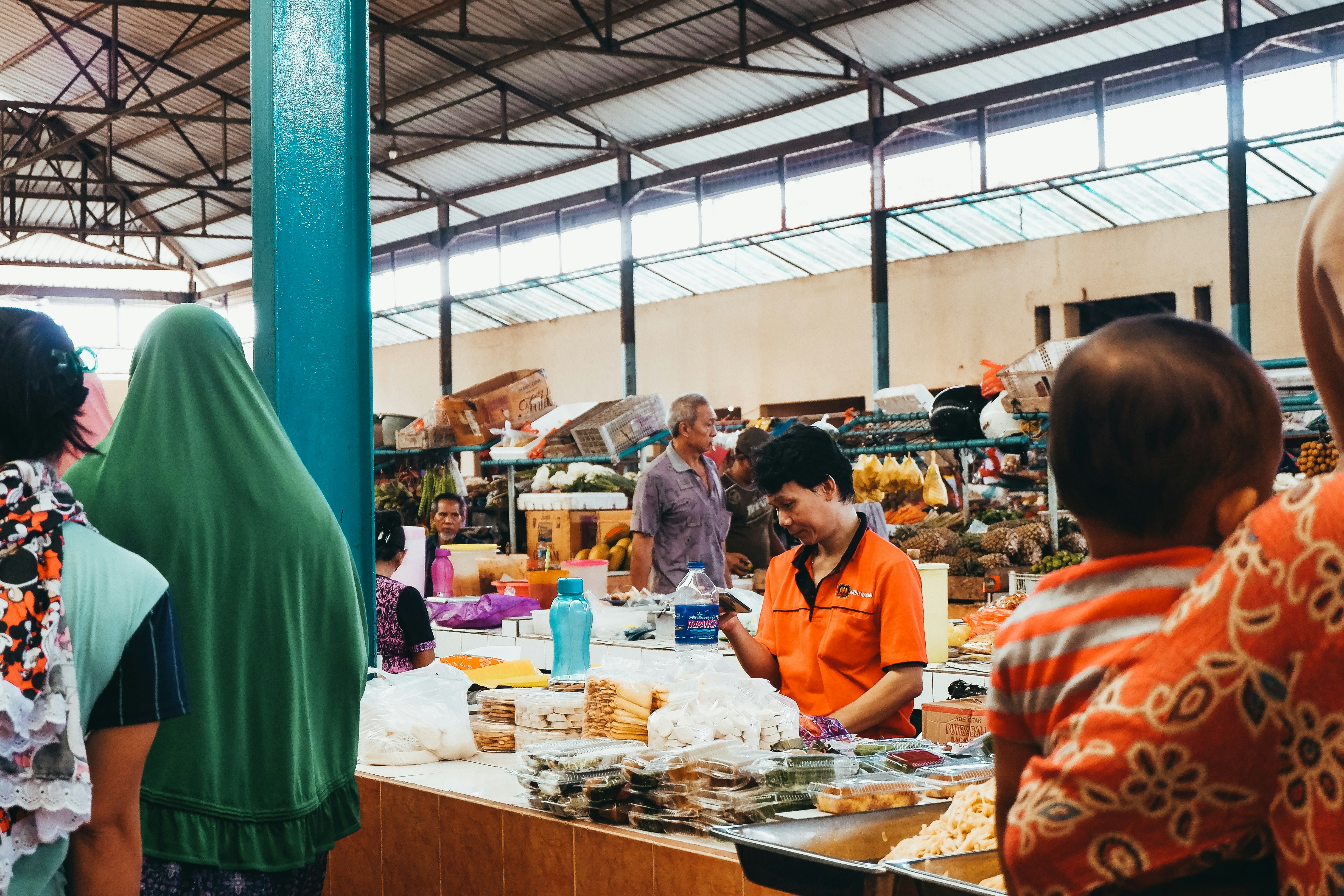
this financial topic is important because it affects how readers plan cash flow, set priorities, and avoid rushed financial decisions. This article explains the practical impact, the common mistakes to avoid, and the steps readers can apply in their monthly financial routine.
Every Small Business in Indonesia Faces Cash‑Flow Challenges
Small entrepreneurs in Indonesia confront irregular customer payments, simultaneous supplier invoices, and ever‑growing working‑capital needs. Managing cash flow effectively means ensuring enough liquidity to meet obligations, avoiding high debt, and seizing growth opportunities. In this article we explore the context, impact, practical strategies, common mistakes, and provide real‑world examples and FAQs to help you keep your business finances healthy.
Context: Why Cash Flow Matters for Small Businesses
Cash flow, or the movement of money in and out of a business, is the lifeblood of any enterprise. Without a healthy cash‑flow stream, even highly profitable ventures can suffer liquidity problems. In Indonesia, factors such as harvest seasons, fiscal policies, and currency fluctuations affect when customers pay and when suppliers bill. As a small business owner, you typically rely on limited working capital, so every payment delay can create uncertainty.
Impact: Consequences of Poor Cash Flow
Negative cash flow can trigger several serious problems:
- Difficulty Paying Debts: Without cash, loan or credit payments become hard, increasing penalty risk.
- Decline in Service Quality: Inability to purchase raw materials on time lowers product or service quality.
- Lost Expansion Plans: New investments often wait until cash flow stabilizes, delaying growth.
- Customer Trust Risk: Delivery delays due to lack of funds can damage reputation.
Practical Strategy: Steps to Manage Cash Flow
Below are concrete strategies you can implement:
- Daily Cash Monitoring: Use the KontrolUang Dashboard to record daily receipts and expenditures. This helps identify cash‑flow patterns.
- Liquidity Planning: Build monthly cash projections, accounting for seasonality. Include a buffer of at least 15% of total expenses.
- Negotiating Payment Terms: Offer early‑payment discounts or extended terms to loyal customers, while negotiating faster payment from suppliers.
- Efficient Inventory Management: Adopt a just‑in‑time (JIT) system to reduce working capital tied up in stock.
- Business Credit Utilization: Secure credit lines through banks or micro‑finance institutions with competitive rates. Monitor debt‑to‑cash ratios.
- Automated Payments: Use the Transaction Recording feature to minimize payment delays.
- Regular Evaluation: Review cash‑flow reports quarterly to adjust strategies.
Common Mistakes & Risks to Avoid
- Delaying bill payments with the assumption that cash will come in later.
- Forcing large discounts without considering margins.
- Lack of documented contracts with customers or suppliers.
- Overestimating seasonal revenue.
- Overreliance on a single customer or supplier.
Checklist & Practical Examples
Use the following checklist each month:
- Are all receipts recorded on time?
- Are all expenditures approved?
- Is the cash buffer met?
- Have seasonal changes been accounted for?
- Are discount offers improving cash flow?
Real example: A coffee shop owner in Surabaya adjusted supplier payment schedules to secure a 5% discount for payments within ten days. With a 20% cash buffer, he covered three months of expenses without additional credit.
FAQ
- How do I calculate net cash flow? Sum all cash receipts, then subtract total cash expenditures for the period.
- Is it okay to use a credit card for supplier payments? Yes, if the interest is lower and it improves liquidity, but keep limits and payments under control.
- How to handle late customer payments? Offer early‑payment discounts or follow up regularly. If needed, consider invoicing through the KontrolUang POS system.
Daily Cash‑Flow Management Checklist
Every day, a small business should review its cash position. Here’s a daily checklist you can use:
- Record all receipts – cash, transfers, and card payments. Use the Transaction Recording feature for convenience.
- Check expenditures – ensure every payment is logged, with invoices and proof of payment.
- Compare ending balance to the previous day. Investigate any discrepancies.
- Update monthly budget with daily results. Verify you’re on track.
- Plan debt payments – set dates and amounts.
- Assess cash needs – are there urgent transactions requiring extra funds?
- Record important notes – e.g., seasonal discounts or supplier offers.
Adhering to this checklist helps avoid cash surprises and maintains financial stability.
Using KontrolUang to Monitor Cash
KontrolUang offers a Dashboard that displays all cash flows in real time. Here’s how to maximize its features:
- Use the KontrolUang Dashboard to view cash balances, receivables, and payables in one view.
- Set Monthly Budgets by category (raw materials, salaries, utilities). The dashboard alerts you when you approach limits.
- Leverage Financial Analytics to spot spending trends. For example, if electricity costs rise 15% this month, investigate the cause.
- Use Debt Management to prioritize payments. The system calculates interest and remaining principal.
- Integrate the KontrolUang POS App with your cash system. All POS transactions feed directly into cash reports.
By harnessing all these features, you can monitor cash flow holistically without manual spreadsheets.
Case Study: Small Clothing Store “Kreasi Fashion”
“Kreasi Fashion” is a small clothing shop in Surabaya. Here’s how they manage cash flow with KontrolUang:
- Daily receipts: 70% cash, 30% transfer. All recorded via the Transaction Recording feature.
- Regular expenses: Rent Rp 5 million, staff salaries Rp 3 million, utilities Rp 1.5 million.
- Accounts receivable: 30% of customers buy on credit. Credit limits set at Rp 10 million per customer.
- Weekly, they compare balances to monthly budget targets. If discrepancies arise, they adjust promotional strategies.
- For supplier debt, they use Debt Management to schedule 30‑day payments.
- When sales dip, they employ Financial Analytics to identify low‑margin items and adjust inventory.
Result: “Kreasi Fashion” maintains positive cash flow even amid seasonal fluctuations.
Strategies to Reduce Unnecessary Expenses
Here are practical tactics to cut operating costs:
- Energy Audit – check LED lighting, cooling units, and electrical equipment. Replace with energy‑efficient models.
- Contract Negotiation – propose lease or internet service extensions with volume discounts.
- Inventory Optimization – use JIT methods to lower storage costs.
- Digital Payments – avoid bank transfer admin fees.
- Wholesale Discounts – buy raw materials in bulk at lower prices.
- Marketing Review – allocate advertising only to proven channels.
Every savings is reflected in the Monthly Budget and improves margins.
Building a Shariah‑Compliant Emergency Fund
To protect your business from unforeseen risks, creating a Shariah‑compliant emergency fund is essential. Steps include:
- Target fund – aim for 3–6 months of operating expenses.
- Use the Practical Guide to Shariah Emergency Funds to choose investment instruments that align with Shariah principles.
- Allocate funds – set up a dedicated account separate from daily operations.
By following this plan, your business gains resilience against market volatility and operational disruptions.
Conclusion
Healthy cash flow is the foundation for growth in small Indonesian businesses. By monitoring daily, planning liquidity, negotiating payment terms, and avoiding common pitfalls, you can keep finances stable. Leverage KontrolUang’s Dashboard and other modules for streamlined recording and analysis. With these strategies, your business will not only survive but thrive sustainably.
Written by
Aaqil Umais ZabirFinancial education writer at Kontrol Uang
Aaqil Umais Zabir writes personal finance guides for Kontrol Uang, focusing on budgeting, transaction tracking, zakat, and practical everyday financial decisions for Indonesian readers.