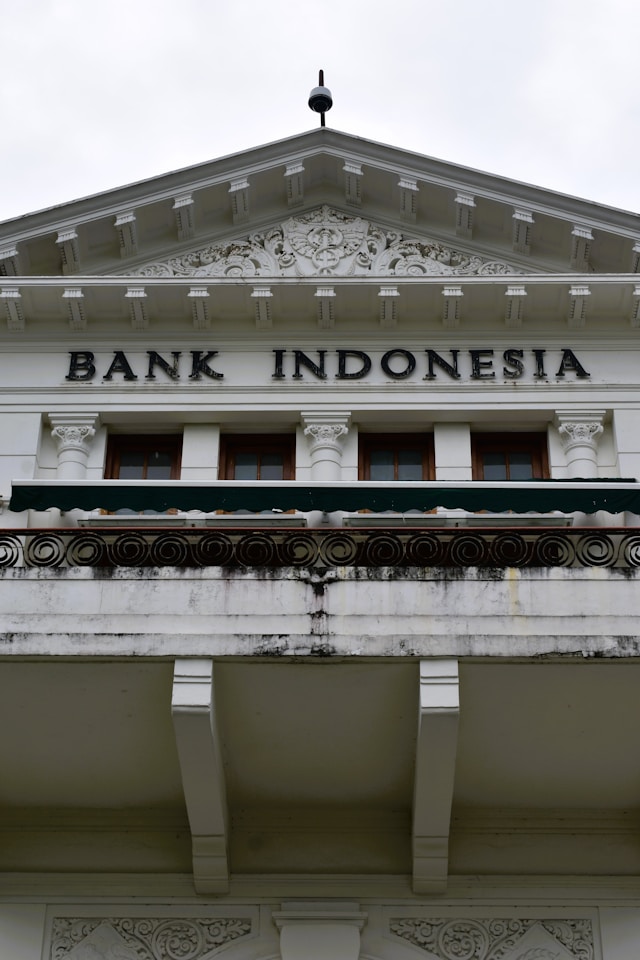
Bank Indonesia wraps up its two-day Board of Governors Meeting (RDG) today, and the outcome is genuinely up for debate among economists. After three consecutive hikes in 2026 totaling 100 basis points — moving the benchmark rate from 4.75% to 5.75% — the central bank now faces a split call: hold steady, or raise once more to 6%.
Whichever way it goes, the decision will ripple into loan rates, deposit yields, and the rupiah's trajectory over the coming months. Here's what's actually being weighed, and what it means for your own finances either way.
Why Is This Decision So Close to Call?
Economists are genuinely split, and both sides have reasonable arguments.
The case for another hike (to 6%): Some analysts argue BI should continue its tightening cycle with a smaller, 25-basis-point step, rather than the larger 50-point moves used earlier this year. The reasoning is that continued rate support helps the rupiah keep strengthening, building on recent gains, rather than risking a reversal if policy eases too early.
The case for holding at 5.75%: Other researchers, including macroeconomic analysts at a leading university-affiliated research institute, expect BI to pause this month. Their reasoning leans on Indonesia's inflation data: annual inflation came in at 3.34% in June 2026, which sits comfortably within Bank Indonesia's target range, reducing the urgency for further tightening purely on inflation grounds.
Both camps agree on one thing: BI's clear priority right now is rupiah stability and inflation control, not loosening policy to stimulate growth.
What Happens to the Rupiah Either Way?
If BI raises rates again, the reasoning goes that continued rate support could help the rupiah extend its recent strengthening trend. If BI holds instead, there's a real risk that the rupiah's recent gains could partially reverse, since markets often read a pause as a less aggressive stance on currency defense — though a hold isn't automatically bad news if it's paired with firm forward guidance.
Either way, Bank Indonesia has signaled it stands ready to raise rates again quickly if the rupiah comes under renewed pressure, which matters more for market confidence than the exact number announced today.
What a Hold Means for You
If BI holds at 5.75%:
Existing floating-rate loans stay roughly where they are — no fresh upward pressure from this decision specifically.Deposit and bond yields likely plateau rather than climbing further, so this could be a reasonable window to lock in current rates on time deposits before they potentially ease later in the cycle.New borrowers face no immediate additional cost increase tied to this specific RDG outcome.
What a Hike to 6% Means for You
If BI raises rates by 25 basis points:
Floating-rate mortgages and loans may see another modest increase, on top of the 100 basis points already passed through since May.Savers benefit from an incremental improvement in deposit and government security yields, continuing this year's trend of more attractive returns on conservative instruments.New loan applications get priced slightly higher, so if you were planning to apply for financing soon, locking in terms before further increases (if any) could be worth considering.
What This Means for Inflation-Conscious Budgeting
Regardless of today's outcome, the 3.34% annual inflation figure for June is worth keeping in mind for your own budgeting. It's a useful benchmark: if your income growth or salary adjustments are tracking below that rate, your real purchasing power is quietly shrinking even if your nominal income looks stable. This is a good moment to check whether your annual raise, freelance rates, or business pricing have kept pace with actual inflation, not just your general sense of "prices feel higher."
Four Practical Steps While You Wait for the Announcement
Don't make major financial decisions based on speculation alone. Economists are split for a reason — wait for the actual announcement rather than acting on predictions.Review your floating-rate loan terms now, so you know exactly how exposed you are if a hike does happen.Compare deposit rates across banks if you have idle cash, since this environment has made time deposits and government securities more competitive than they were a year ago.Reassess any near-term borrowing plans. If you're planning to apply for a loan in the next few months, understanding today's decision helps you judge whether waiting or acting sooner makes more financial sense.
Quick FAQ
When exactly will the decision be announced? The RDG runs over two days, concluding today, with the official announcement typically released the same afternoon through Bank Indonesia's official channels.
Does a rate hike immediately change my mortgage payment? No. Banks typically take weeks to months to pass a rate change through to consumer loan pricing, so any adjustment to your installment wouldn't be instant even if BI does raise rates today.
Is 3.34% inflation considered high for Indonesia? It sits within Bank Indonesia's typical target range, which is generally viewed as manageable rather than alarming — one reason some economists argue there's no urgent need for another hike this month.
Conclusion
Today's BI Rate decision is close enough that reasonable analysts disagree on the outcome, which tells you this isn't a moment for panic — it's a moment for preparation. Know your exposure to floating-rate debt, take advantage of currently competitive deposit rates if you have spare cash, and use June's 3.34% inflation figure as a real benchmark for whether your income is actually keeping pace with the cost of living. The specific number announced today matters less than making sure your own finances are ready for either direction.
Written by
Aaqil Umais ZabirFinancial education writer at Kontrol Uang
Aaqil Umais Zabir writes personal finance guides for Kontrol Uang, focusing on budgeting, transaction tracking, zakat, and practical everyday financial decisions for Indonesian readers.
.jpg)