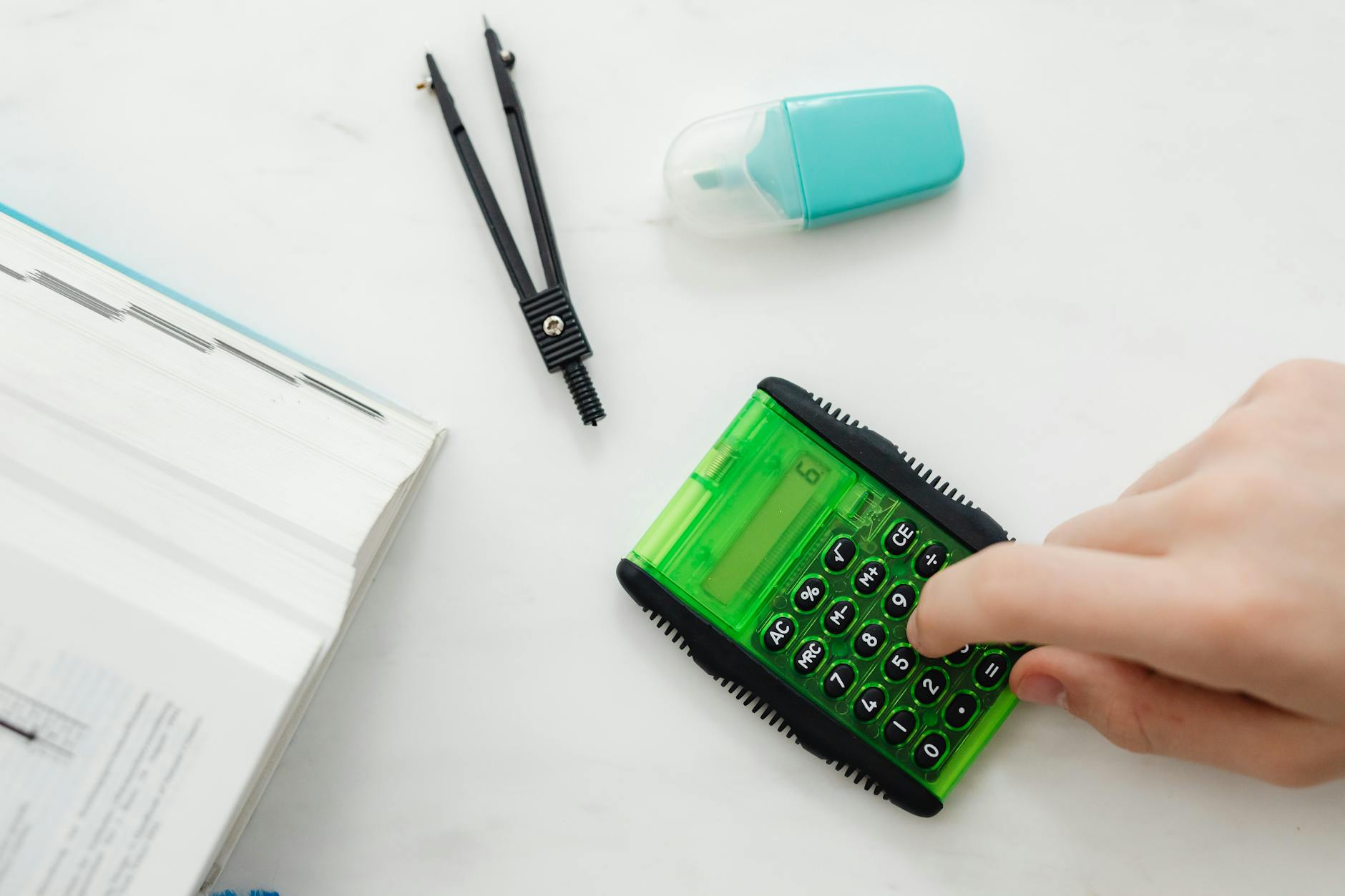
Most people don't lose control of their money in one dramatic moment — it slips away in small, unnoticed leaks: an extra food delivery here, a forgotten subscription there, a "just this once" purchase that becomes a habit. Learning to control your money isn't about restriction; it's about giving every rupiah or dollar a job before you spend it, so your spending reflects what you actually value instead of what's simply convenient in the moment.
This guide walks through a complete, practical system for taking control of your monthly finances, without requiring complicated spreadsheets or extreme sacrifice.
Why "Controlling Your Money" Is Different From "Being Cheap"
Controlling your money and being frugal are not the same thing. Control means you decide, in advance, where your money goes — including on things you enjoy. A person with strong money control might still spend generously on travel or hobbies; the difference is that the spending is planned, not accidental. People who feel like they're "bad with money" are usually not overspending across the board — they're often spending fine on 90% of categories and losing control on one or two specific leaks they haven't identified yet.
Step 1: Know Your Real Numbers
You cannot control what you haven't measured. Before building any budget, spend two to four weeks tracking every expense, even small ones. Most people are surprised by at least one category — often food delivery, ride-hailing, or subscriptions — that costs significantly more than they assumed.
You don't need special software for this. A simple notes app, a spreadsheet, or even a notebook works, as long as you're honest and consistent.
Step 2: Choose a Budgeting Framework That Fits Your Life
A framework gives your spending structure without requiring you to make a hundred small decisions every day. Three well-tested approaches:
The 50/30/20 rule: 50% of income to needs (housing, food, transport, utilities), 30% to wants (entertainment, dining out, hobbies), 20% to savings and debt repayment. Simple and flexible, good for beginners.Zero-based budgeting: Every unit of income is assigned a specific job — spending, saving, or debt repayment — until nothing is left unassigned. More precise, but requires more monthly maintenance.The envelope method (physical or digital): Money is divided into separate "envelopes" for each spending category, and once an envelope is empty, spending in that category stops until next month. Excellent for people who overspend on discretionary categories specifically.
There's no single "correct" method — the right one is the one you'll actually maintain for more than a month.
Step 3: Automate What You Can
Willpower is a limited resource, and relying on it every single day is a fragile strategy. Automating your finances removes decisions from moments when you're tired, stressed, or tempted:
Set up automatic transfers to savings on payday, before you have a chance to spend that money elsewhere.Automate minimum payments on any debt, so a missed payment never becomes an accidental setback.Use separate accounts for separate purposes (spending vs. savings vs. bills) so your day-to-day balance reflects only what's actually available to spend.
Step 4: Build in a "Guilt-Free" Spending Category
Budgets that leave zero room for enjoyment tend to fail within a few weeks, not because people lack discipline, but because total restriction is genuinely hard to sustain. Build a specific, capped amount into your budget for things that bring you joy — coffee, hobbies, entertainment — and spend it without guilt, because it's already accounted for. This single change is often the difference between a budget that lasts six weeks and one that lasts six years.
Step 5: Review Weekly, Not Just Monthly
A monthly review alone often comes too late to correct course. A short 10-minute weekly check-in — comparing actual spending against your plan — lets you catch an overspending trend in week two instead of discovering it in week four, when there's no time left to adjust.
Common Money Control Mistakes to Avoid
Making the budget too restrictive from day one. Extreme cuts rarely last; gradual, sustainable adjustments do.Ignoring irregular expenses. Annual insurance premiums, vehicle maintenance, and holiday spending derail budgets that only plan for predictable monthly costs. Divide these annual costs by 12 and set aside a portion each month.Tracking spending but never reviewing it. Data without a regular review process doesn't change behavior on its own.Comparing your budget to someone else's lifestyle. Your framework should reflect your income, obligations, and goals — not a stranger's social media highlight reel.
Quick FAQ
How long does it take to feel "in control" of my money? Most people notice a meaningful shift within 60–90 days — long enough to catch at least two full spending cycles and adjust for what tracking reveals. Don't judge the system after week one.
Do I need a specific app to control my money? No. Apps help with convenience, but the underlying habit — tracking, planning, and reviewing — matters far more than the tool. A notebook used consistently beats an app abandoned after a week.
What if my income is irregular? Base your essential-needs budget on your lowest realistic monthly income, and treat anything above that as a bonus to be split between savings and discretionary spending, rather than budgeting against your best month.
Conclusion
Controlling your money isn't a one-time decision — it's a system you build and refine over time. Start by knowing your real numbers, choose a framework you can actually sustain, automate the decisions that don't need daily willpower, and leave room for spending you genuinely enjoy. Consistency over months matters far more than any single "perfect" budgeting method.
Written by
Aaqil Umais ZabirFinancial education writer at Kontrol Uang
Aaqil Umais Zabir writes personal finance guides for Kontrol Uang, focusing on budgeting, transaction tracking, zakat, and practical everyday financial decisions for Indonesian readers.